ENGLISH AND THE ENVIRONMENT
Professor Ralph Pite, Twentieth Century Poetry and Romantic Period writing (University of Bristol)
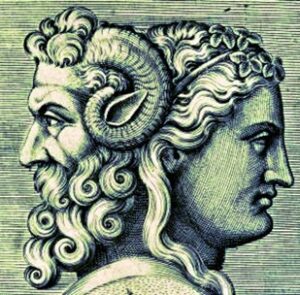
The word ‘January’ is from the Roman god, Janus – god of gateways and transitions – who looked into both past and future. Janus-faced, we still say. (Janus – Etymology, Origin & Meaning). Looking back, Elif Shafak spoke no doubt for many when she described 2025 as a uniquely disrupted year. But, more than ever in these circumstances, ‘art, culture and literature offer us a sanctuary, a home, a sense of togetherness’. And, Shafak added, ‘It all begins with an honest recognition of what remains broken and a willingness to mend.’ (A polycrisis has shattered our world this year. But with care, we can put it back together | Elif Shafak | The Guardian)
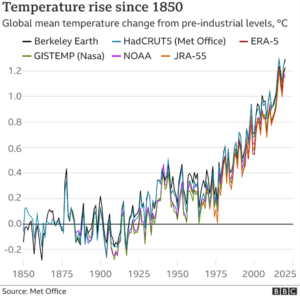
In Britain, 2025 was the hottest and sunniest year on record – a ‘double-record breaker’ the Met Office said. The whole world’s climate continues to break down; biodiversity is being lost relentlessly. Certainly, literature can offer refuge from all of this. But it can also bring about the two those truly difficult things that Shafak mentions: ‘honest recognition’ and ‘a willingness to mend’.
English studies is already helping achieve both of these. Over the next month, we’ll be posting examples of the amazing work being done, both in universities and in schools. We’ll be showcasing innovative ways of reading, new forms of teaching, and the most recent thinking about literature’s place in the curriculum. These will prove how important English studies are in the current polycrisis – how reading literature, past and present, and studying the language can help us to become Janus-faced: to look back and to move forward.