Professor Nicky Marsh (University of Southampton)
In this blog Professor Nicky Marsh, from the University of Southampton, introduces March’s theme of ‘communities’. There are as many forms of community as there are literary practice, she notes, and that the idea of community perhaps is best read as a way of understanding what literature does – in the world as well as in the academy.
Literature is a complicatedly communal project, despite the apparent persistence of the novel’s attachment to the private and lyric poetry’s to the individual. Reading and writing are rarely lone endeavours and there are as many languages for understanding literary communities as there are literary practices. Definitions and models of literary communities are sprawling and even contradictory: they are at once radical and institutional; theoretical but also practical; focused on the local and the specific but capable of encompassing the global and the distant; generative and enabling but also exclusionary and rigid; places of professional gatekeeping but also forums for facilitating the creativity of readers themselves.
Thinking about community, in other words, is often another way of thinking about what literature does in the world. Literary communities not only make readers, writers and texts – for good and bad- but also shape and influence the world and the languages, codes and genres that sense making require.
It is this sense of community – a way of understand how literature and literary practice act in the world– that the unites projects, insights and blogs gathered across this month.
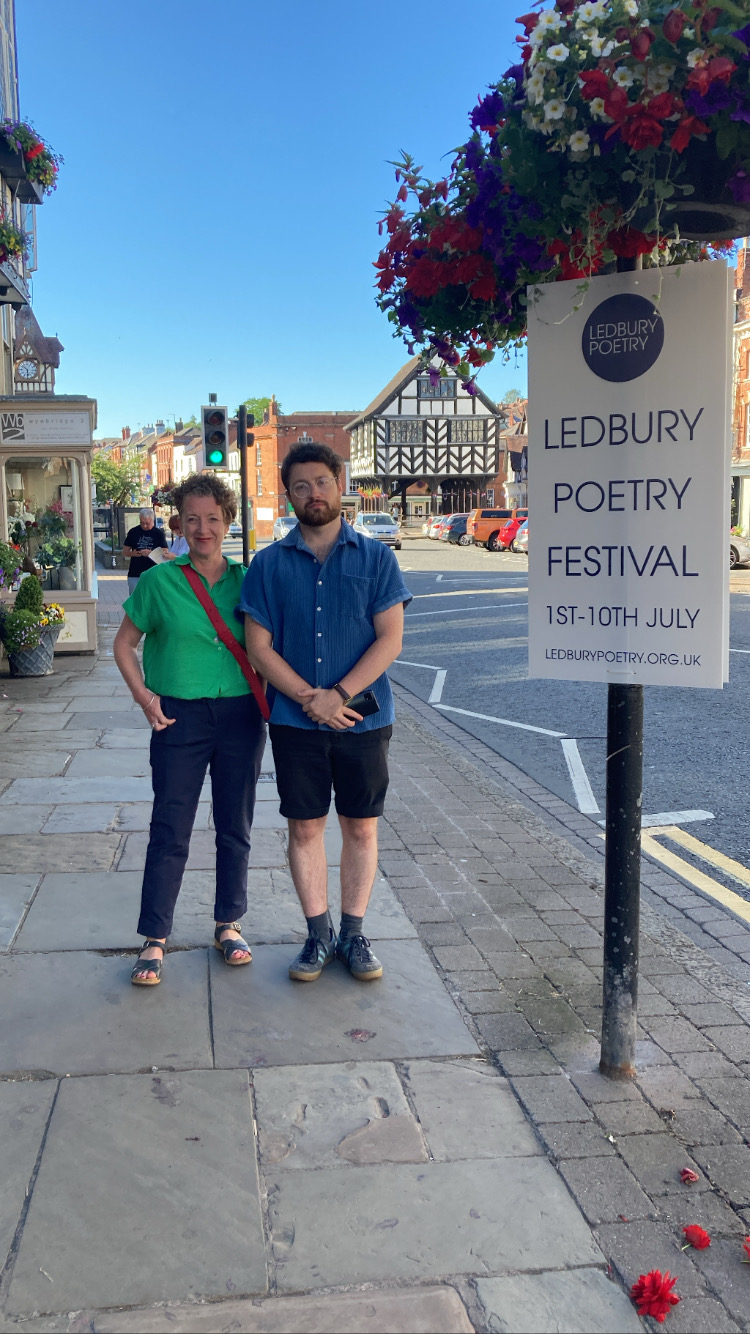
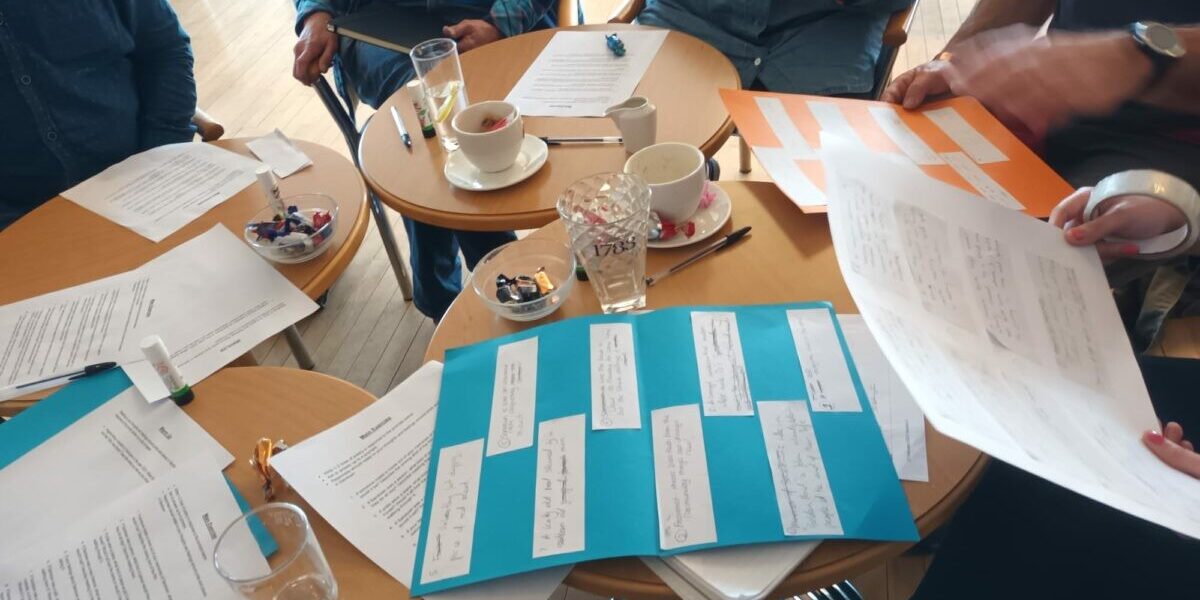
One type of community being showcased this month are the contemporary communities of writers and readers themselves: those who organise the reading and writing networks, groups and festivals that are at the heart of an active literary culture. This work, as will become apparent, is attentive to the delicate politics and practices of collaborative thinking: of who is included (and what inclusion means) and of who is supported (and what support means).
The month also, importantly, explores how literature impacts communities that exist beyond this world of writers and readers. It explores how literary practice has been used as a way of hearing, shaping, understanding and representing communities and the processes of identity and differences that they involve. These communities are equally wide-ranging. They include the scientific ‘communities of practice’ that have leant on the expertise of the literary critic to guide them through the thicket of definitions; those under-served – or ‘left-behind’ – communities who have worked with creative practitioners to explore and articulate their lived and felt experiences of identity and place; the professional communities, of policy-makers, local authorities and even housing associations, who use literature to understand the experiences of the communities they represent.
It is not just that literary culture is sustained by communities, we want to suggest, but that communities themselves are sustained by literature.